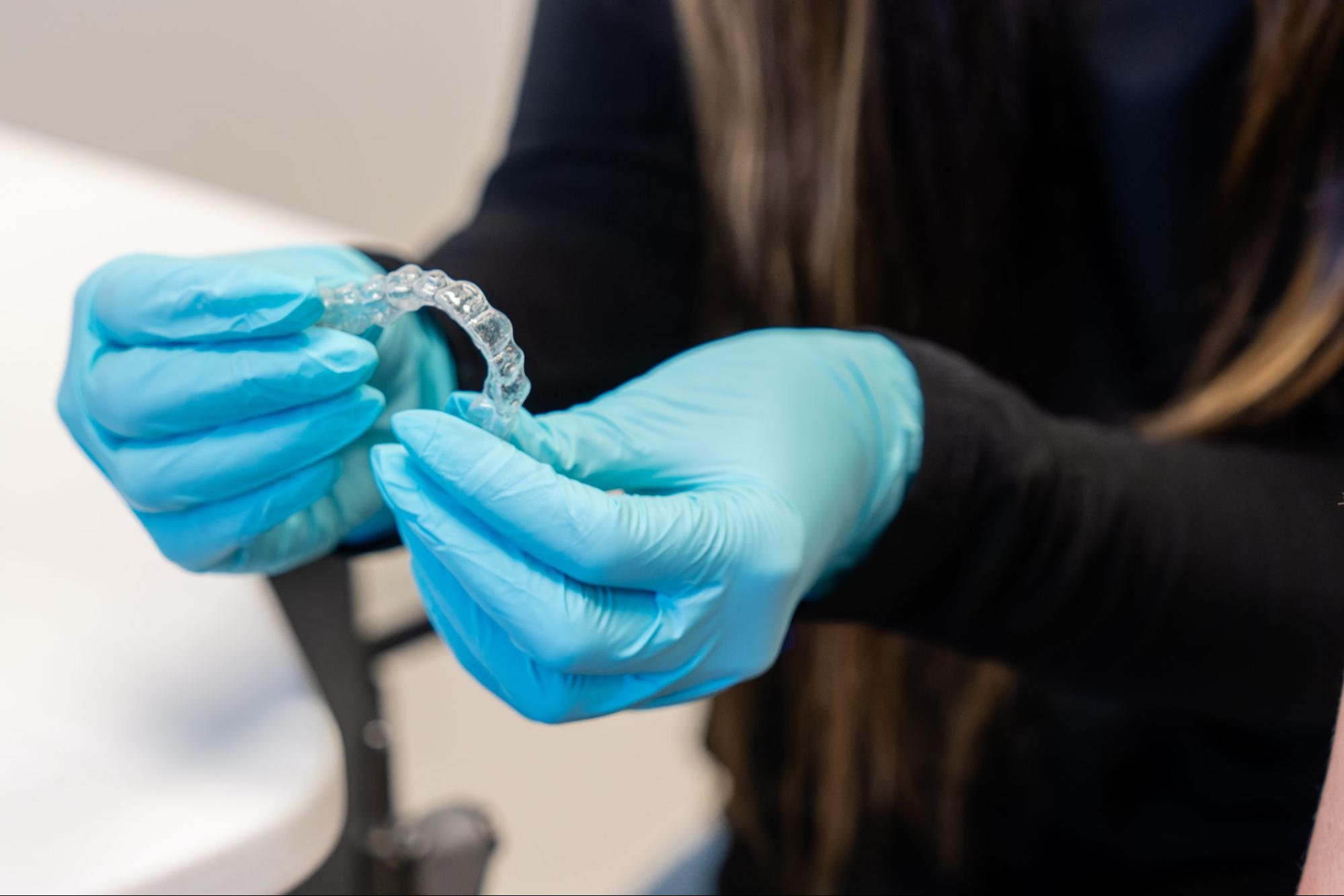
Progress monitoring during Invisalign means tracking how well your teeth move with each aligner set. At Montana Smiles Orthodontics, monitoring progress while using Invisalign combines in-person visits with Dr. Ryan Hecht, aligner-fit checks, and simple at-home self-checks. Together, these methods help confirm your teeth are shifting according to plan.

What Does Monitoring Invisalign Progress Mean?
Think of monitoring as the quality-check side of your smile journey. Each aligner is designed to move teeth a specific way over a specific time. Without regular check-ins, small tracking issues can grow into delays.
That’s why checkpoints are built into every Invisalign plan. Dr. Hecht reviews fit, wear time, and tooth position at set intervals. Catching a slow-moving tooth early is much easier than fixing it months later.
Regular monitoring also gives you peace of mind. When you can see your teeth shifting on schedule, the whole process feels less like a guessing game and more like a clear path with steady milestones along the way.
How to Monitor Progress While Using Invisalign Step by Step
Tracking Invisalign progress follows a clear, repeatable process. A mix of office visits, digital planning, and your own daily habits confirms your teeth are moving on schedule. Each step builds on the last, so nothing gets missed between aligner changes.
Here’s what the process looks like from start to finish:
- In-person check-ups. Dr. Hecht examines tooth position, aligner fit, and any attachments. He looks for gaps between the aligner and your teeth, which can signal a tracking issue.
- At-home fit checks. You can look at how each aligner seats over your teeth and contact the team if something feels off between visits.
- Digital treatment plan comparison. Your current smile is compared against the planned tooth movement created at the start of treatment.
- Aligner stage and wear-time tracking. You keep track of which tray number you’re on and how consistently you wear them. Invisalign generally works best with 20 to 22 hours of daily wear.
- Clear confirmation before moving ahead. Before you move to the next set, the current aligner should fit properly. If a tooth is lagging, Dr. Hecht may extend wear time or recommend a quick adjustment.
This mix of visits and at-home awareness is one reason patients stick with their plans. You always know where you stand, and so does Dr. Hecht. No guesswork, no surprises at the finish line.
Benefits of Regularly Monitoring Your Invisalign Treatment
Regular monitoring isn’t just a formality. It’s what keeps your smile on schedule and your confidence high. When check-ins happen consistently, small issues can be solved before they slow things down.
The biggest benefits patients notice include:
- Earlier catch of tracking issues. A tooth that isn’t seating fully can often be addressed before it becomes a bigger delay.
- More predictable timelines. Your finish date is more likely to stay close to the original estimate when teeth track as planned.
- Fewer surprises at the end. Staying on top of progress can reduce the chance of needing unexpected refinements.
- More motivation. Seeing real progress keeps many patients committed to wearing their trays.
- Faster plan adjustments. If something needs to change, Dr. Hecht can adjust the plan early rather than waiting until the end.
There’s also a quieter benefit. Knowing someone is watching your progress closely takes the pressure off you. You don’t have to wonder if everything is working. Dr. Hecht and our team handle that part, so you can focus on your day.
In-Office Visits vs. At-Home Monitoring
Most Invisalign plans use both in-office visits and at-home monitoring. Each method has strengths, and combining them gives you the best of both. In-office visits allow hands-on care like attachment checks, bite reviews, and any needed adjustments. At-home monitoring helps you notice fit issues between visits.
Here’s how they compare:
| Feature | In-Office Visits | At-Home Monitoring |
|---|---|---|
| Frequency | Based on your treatment plan | Done between visits as you change aligners |
| What’s checked | Fit, attachments, bite, and tooth movement | Aligner seating, comfort, and general fit |
| Convenience | Requires travel to the practice | Done from home |
| Hands-on adjustments | Yes | No |
| Best for | Complex cases, attachment checks, and mid-plan tweaks | Routine fit awareness and daily accountability |
| Cost impact | Typically included in treatment planning | Helps you stay on track between appointments |
For many patients at Montana Smiles Orthodontics, Dr. Hecht blends the two. You’ll come in for hands-on visits at key checkpoints. Between those, fit checks and communication with our team help keep everything moving. Families across Billings appreciate this flexibility. Teens, busy parents, and adults with packed work schedules tend to love this setup because it works around real life instead of forcing extra time out of a full day.

Does Progress Monitoring Affect Invisalign Cost?
Progress monitoring is typically part of your overall Invisalign treatment planning at Montana Smiles Orthodontics. Routine check-ups and progress reviews help keep your treatment on track. In some cases, careful monitoring may reduce unnecessary delays, which can save time over the course of treatment.
Your free consult covers the full cost picture before you start. Dr. Hecht will walk you through what’s included, what payment options fit your family’s budget, and how the plan is structured.
A few cost notes worth knowing:
- Refinements at the end of treatment are sometimes needed if teeth didn’t track perfectly. These may add time depending on your plan.
- Missed visits or lost aligners may add fees, depending on the situation.
- Consistent monitoring does not usually change the base price, but it can make treatment smoother overall.
Clear pricing upfront is a core belief at our practice. You’ll know what your smile costs before you start, not after. You can also learn more about treatment options before your visit.
Who Should Pay Closest Attention to Tracking?
Every Invisalign patient benefits from monitoring, but some need to watch their progress more closely than others. If your plan involves complex tooth movements, like rotating canines or closing larger gaps, tracking matters more. Small misalignments early on can compound quickly.
You should pay extra attention to tracking if you:
- Have a complex case with rotations, extractions, or bite corrections
- Struggle to wear aligners the full 20-22 hours each day
- Travel often or have a packed schedule that makes visits tough
- Are a teen balancing school, sports, and social life
- Notice your aligners feel loose or look like they’re not fitting flush
Signs your aligners aren’t tracking include:
- Visible gaps between the aligner and the tops of your teeth
- Aligners feeling loose when you first put them in
- Attachments rubbing or not sitting inside the aligner indents
- A specific tooth looking like it hasn’t moved when it should have
If you spot any of these, call our practice or send a photo if our team asks for one. Dr. Hecht would rather hear from you early than have you wait until your next visit.
Invisalign Support for Billings and Nearby Montana Communities
Montana Smiles Orthodontics provides Invisalign in Billings and customized orthodontic care for families across Billings, Sidney, Laurel, Lockwood, Hardin, and nearby communities. If you are still comparing treatment options, you can learn more about Invisalign, Billings braces, clear braces, metal braces, and orthodontics for all ages.
Patients looking beyond Billings can also explore braces in Sidney, an orthodontist near Sidney, Laurel orthodontics, Lockwood orthodontics, and Hardin orthodontics.
Frequently Asked Questions About Invisalign Progress
How often should I see my orthodontist during Invisalign?
Visit timing depends on your treatment plan. These visits let Dr. Hecht check tooth movement, review aligner fit, and confirm everything is tracking. Between visits, simple at-home fit checks help you notice concerns early.
How do I know if my Invisalign is tracking correctly?
Your aligners should snap into place with no visible gaps between the tray and your teeth. If you see space at the tops of your teeth or the aligner feels loose after the first few days, that’s a sign tracking may be off. Contact our team so Dr. Hecht can review the issue.
Can I monitor Invisalign progress at home?
Yes. You can do simple daily checks by looking at how your aligners fit when you first put them in. At-home monitoring does not replace office visits, but it adds a helpful layer between them.
What happens if my teeth aren’t tracking?
When teeth aren’t tracking, Dr. Hecht has several options. He may ask you to wear your current aligner longer, use chewies to help seating, or in some cases adjust your plan. Catching tracking issues early usually means a quicker fix rather than a major plan change.
How long until I see Invisalign results?
Many patients notice small changes within the first few weeks. Full treatment time varies based on your case, your aligner wear, and your specific smile goals. Dr. Hecht will give you a personalized timeline at your free consult.
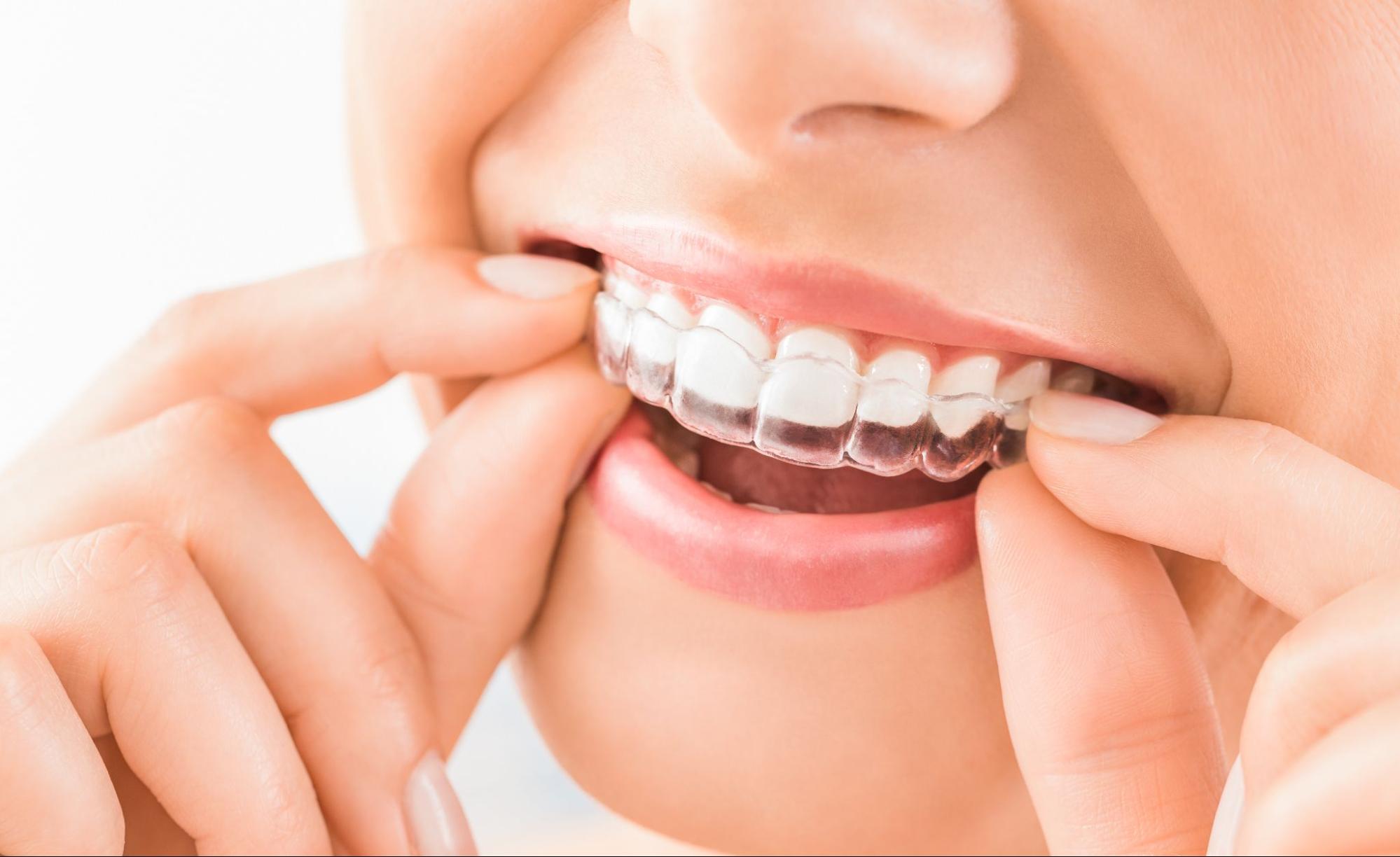
Start Invisalign Treatment with Montana Smiles Orthodontics
Monitoring progress is what turns a good Invisalign plan into a great smile. At Montana Smiles Orthodontics, Dr. Ryan Hecht combines in-office visits, at-home fit awareness, and clear communication so your treatment stays on track from day one.
Schedule your free consult with Dr. Hecht today for you or your teen. You can also visit our Billings orthodontic office, learn more about choosing an orthodontist in Billings, MT, or contact us with questions. We can’t wait to see you smile.